Modern shopping malls are no longer just places to shop. They are lifestyle destinations where people dine, relax, socialize, and spend hours exploring stores and entertainment areas. Because of this, lighting has become one of the most important elements in mall design. Proper shopping mall lighting not only improves visibility but also enhances customer experience, influences buying behavior, and reduces operating costs.
In this guide, we will explore practical LED lighting solutions for shopping malls and explain how to choose the right fixtures and lighting strategies for different mall areas.
Table of Contents
Key Types of LED Fixtures for Different Mall Zones
Different zones require specific fixtures to meet distinct needs.
High-Bay LED Lights: For grand atriums and entrance halls with soaring ceilings, UFO high-bays or linear high-bay fixtures provide powerful, wide-angle illumination that ensures the space feels bright and safe.
LED Aluminum Profiles & Linear Lights: These are the darlings of modern retail design. They can be recessed into ceilings or walls to create “lines of light”, guiding foot traffic and providing a sleek, futuristic aesthetic.
LED Track Lighting: Essential for shopfronts and window displays, track lights allow for high flexibility, enabling staff to adjust the focus as new collections or seasonal displays are introduced.
Recessed Downlights: Used primarily in corridors and secondary walkways, these provide a clean, unobtrusive look while maintaining uniform light levels.
Vapor-Tight Fixtures: These areas face dust, humidity, and temperature swings. Vapor-tight LEDs with polycarbonate housings (IP65 rating) ensure longevity.
Wall Washers : To eliminate the “cave effect” on long corridors, asymmetric wall wash fixtures graze the walls vertically, making the space feel wider and more luxurious.
The Impact of Color Temperature (CCT) and CRI on Shopper Behavior
Lighting quality affects how customers feel and interact with a shopping environment. Two of the most important factors are color temperature and CRI.
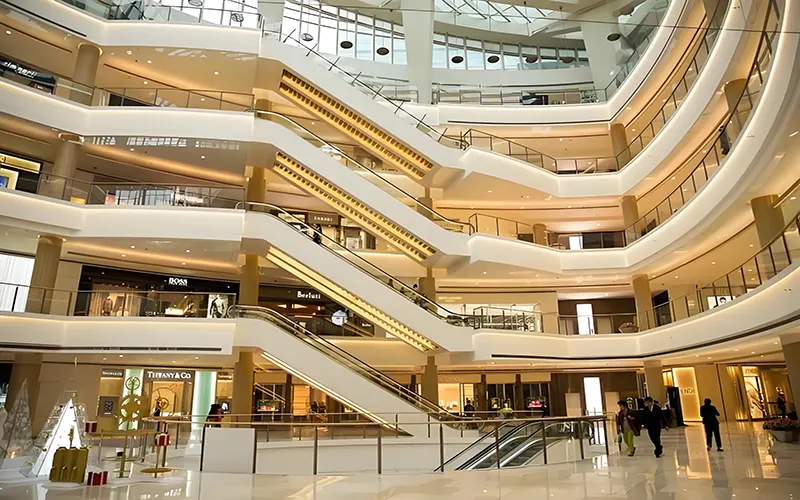
Understanding Color Temperature
Color temperature is measured in Kelvin (K) and influences the mood of a space.
2700K–3000K: Warm and comfortable lighting, commonly used in restaurants and lounges.
3500K–4000K: Neutral white lighting, ideal for general shopping areas and corridors.
5000K–6500K: Cool white lighting, often used in supermarkets or areas requiring high visibility.
Warm lighting encourages relaxation, while cooler lighting creates a brighter and more energetic atmosphere.
Why CRI Matters
CRI, or Color Rendering Index, measures how accurately a light source displays colors. In shopping malls, a high CRI is essential because customers want products to appear natural and attractive.
For clothing stores, jewellery shops, and cosmetic counters, a CRI above 90 is recommended. Better color rendering can improve product appeal and influence purchasing decisions.
Best LED Lighting Solutions for Different Mall Areas
Each mall area has unique lighting requirements. A well-planned lighting strategy improves customer comfort and operational efficiency.
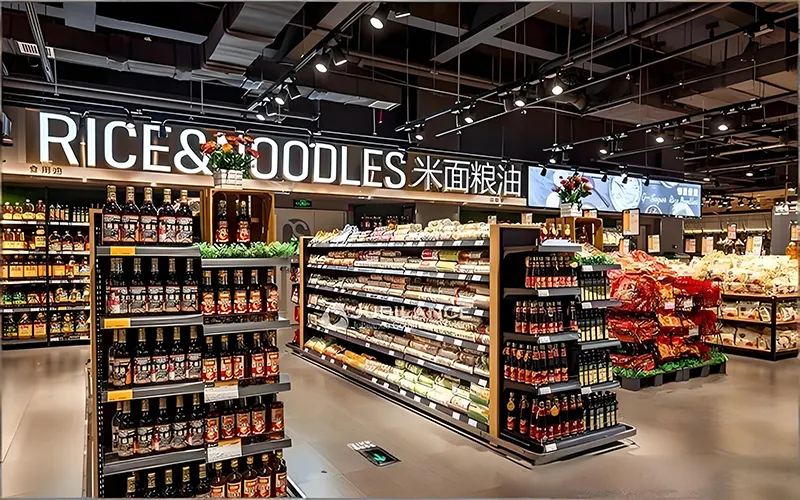
Entrance and Facade Lighting
The entrance is the first impression customers receive. Bright and inviting LED facade lighting helps attract visitors and strengthens the mall’s visual identity.
Retail Stores
Retail stores benefit from layered lighting that combines ambient, accent, and display lighting. Track lights and spotlights can emphasize featured products and seasonal promotions.
Corridors and Walkways
Mall corridors require uniform lighting with minimal glare. Linear LED lights and downlights are excellent choices for maintaining comfortable visibility.
Food Courts and Restaurants
Food areas should feel warm and welcoming. Warm white LED lighting helps create a relaxing atmosphere that encourages customers to stay longer.
Parking Garages
Parking areas need high-efficiency LED fixtures with strong brightness and reliability. Motion sensor lighting can further reduce energy consumption during low-traffic periods.
Important Factors to Consider in Shopping Mall Lighting
When planning a large-scale LED installation, technical specifications and long-term viability are critical.
- Lighting Uniformity: Uneven lighting creates dark spots and reduces the overall shopping experience. Proper fixture spacing ensures consistent illumination throughout the mall.
- Energy Efficiency & Heat Management: LEDs are inherently efficient, but high-quality aluminum profiles and heat sinks are necessary to dissipate heat. This extends the lifespan of the LED chips and reduces the load on the mall’s air conditioning system.
- Smart Controls & Dimming: Implementing DALI (Digital Addressable Lighting Interface) or DMX systems allows for automated scheduling. You can dim the lights during low-traffic morning hours and brighten them for the evening rush.
- Maintenance Access: In a mall with 10-metre ceilings, changing a bulb is an expensive logistical challenge. Choosing modular LED fixtures with long-rated lives (50,000+ hours) minimizes the need for scaffolding and lifts.
- Unified Glare Rating (UGR): High glare can cause eye strain and discomfort. Ensure fixtures are designed with anti-glare diffusers to keep the environment comfortable for long-term shoppers.
Common Mistakes to Avoid in Mall Lighting
Even with high-quality fixtures, poor lighting design can negatively affect the shopping experience.
Using Inconsistent Color Temperatures
Mixing different color temperatures in the same area can create visual discomfort and make the environment feel unprofessional.
Over-Lighting Spaces
Too much brightness increases energy costs and may cause eye strain. Balanced illumination is more effective than excessive lighting.
Ignoring Accent Lighting
Without accent lighting, products and displays may appear flat and less attractive. Highlighting key areas improves visual interest.
Poor Fixture Placement
Incorrect fixture positioning can create shadows, glare, or uneven lighting. Proper planning is essential for optimal results.
Neglecting Maintenance Accessibility
Fixtures installed in difficult-to-access locations increase maintenance challenges and operational costs.
Ignoring Emergency Compliance
Always ensure that your LED layout integrates seamlessly with emergency exit lighting and backup power requirements to meet local fire safety codes.
Conclusion
Shopping mall lighting has evolved from a basic utility into a powerful marketing and operational tool. By selecting the right LED fixtures, focusing on color quality, and avoiding common design errors, mall owners can create a space that not only saves significantly on energy and maintenance but also keeps shoppers engaged and inspired.
Whether you are looking for high-performance aluminium LED profiles or a complete architectural lighting overhaul, our team of experts is here to help. Contact us now for a customized consultation.
FAQs
Why should malls use LED aluminum profiles instead of just standard LED strips?
While LED strips provide the light, aluminum profiles act as a crucial heat sink, dissipating heat to extend the LED’s lifespan.
What is the best lighting for shopping malls?
LED lighting is considered the best solution for shopping malls because it offers high energy efficiency, long lifespan, low maintenance costs, and excellent lighting quality. Common options include LED downlights, linear lights, track lights, and floodlights.
What color temperature is best for shopping mall lighting?
Most shopping malls use lighting between 3500K and 4000K because it creates a clean and comfortable shopping environment. Warm white lighting is often used in restaurants and lounges, while cooler lighting may be used in supermarkets and high-visibility areas.
What types of LED lights are commonly used in shopping malls?
Shopping malls commonly use LED downlights, linear LED fixtures, track lights, panel lights, spotlights, and outdoor LED floodlights. Different fixtures are selected based on the lighting requirements of each mall area.
Are smart lighting systems suitable for shopping malls?
Yes. Smart LED lighting systems allow malls to automate brightness levels, monitor energy usage, and improve operational efficiency. Features such as occupancy sensors and daylight harvesting help optimise lighting performance while lowering costs.