Hotel lighting design is one of the most powerful yet often overlooked elements in hotel design. While guests may not consciously notice every lighting detail, they will certainly feel its impact—from the warmth of a welcoming lobby to the comfort of a well-lit guest room. Good lighting design goes beyond illumination; it shapes mood, enhances functionality, reinforces brand identity, and ultimately influences whether guests enjoy their stay or leave disappointed.
Table of Contents
How lighting defines a hotel's atmosphere and brand image
Hospitality lighting serves as an art form that directly shapes a hotel’s brand and the immediate atmosphere guests perceive. Different lighting profiles can be utilized to highlight specific characteristics of a property:
Warm and Inviting: The use of warm color temperatures creates a cozy, welcoming environment that helps guests feel “at home”.
Cool and Modern: Sleek, cool-toned lighting projects a vibrant, fresh, and sophisticated vibe, often used by hotels aiming for a contemporary brand image.
Dynamic Adjustments: Modern lobbies often adjust brightness and color temperature based on the time of day—shifting from bright and lively in the morning to a softer ambiance for the evening—to maintain a consistent yet adaptive brand experience.
Hotel Lighting Design Influences Guest Satisfaction
Strategic lighting design is a critical driver of guest comfort and satisfaction throughout their stay. Beyond aesthetics, it serves the vital functional purpose of guiding guests safely through the space, from reception to their private rooms. High-quality lighting choices, such as focusing on color rendering authenticity and glare restriction, directly impact the check-in experience and the guest’s overall perception of the facility.
Key Areas in Hotels That Require Strategic Lighting
Different hotel zones require tailored lighting strategies to meet specific functional and emotional needs:
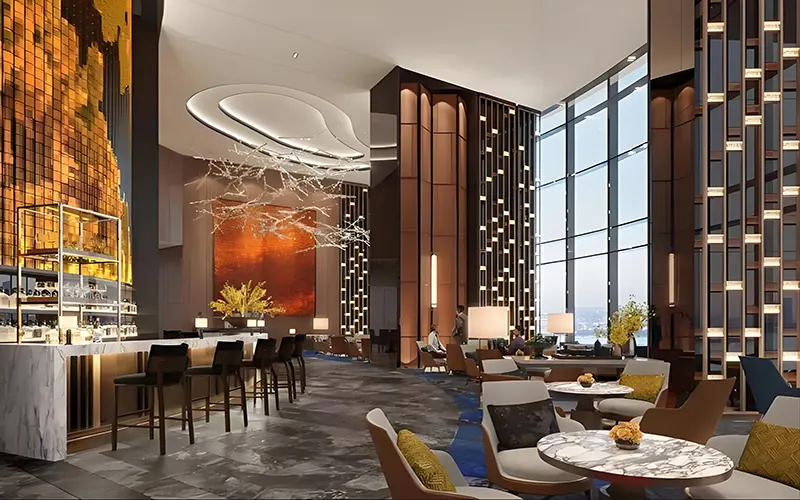
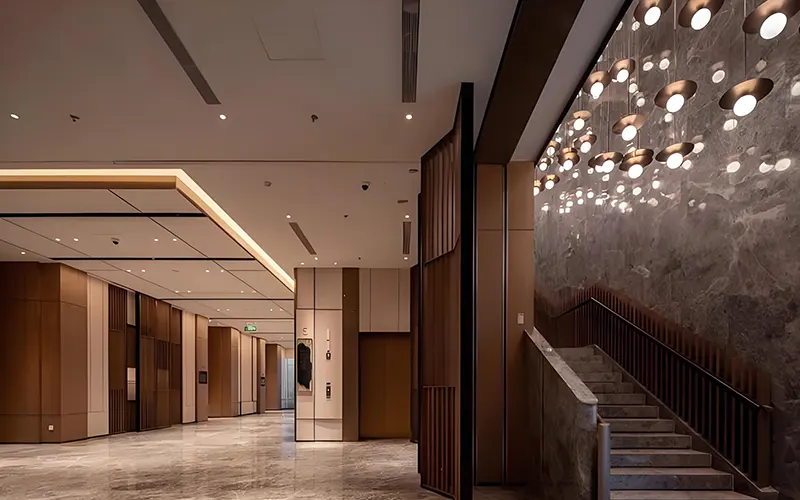
Lobby: As the first point of contact, the lobby uses warm, layered lighting—combining ambient overhead lights with accent lights on artwork or seating—to remain both inviting and functional.
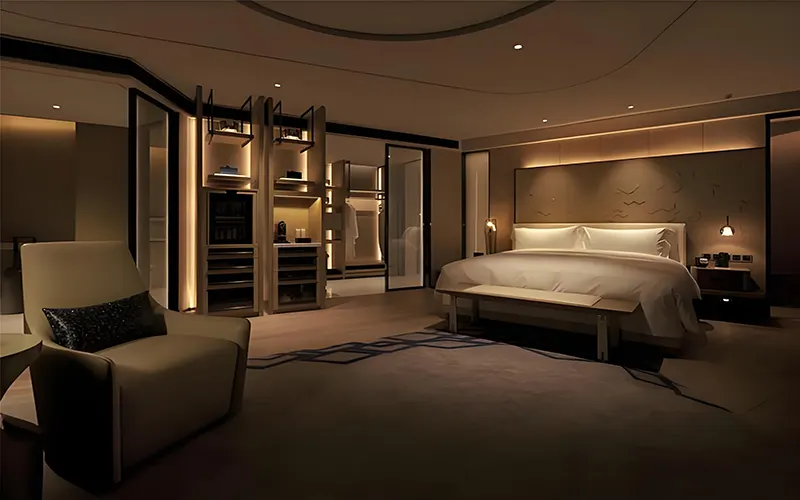
Guest Rooms: These spaces require a balance of ambient lighting for overall illumination and task lighting for activities like reading or working.
Hallways: Lighting here is essential for safety and guidance. Soft, diffused light eliminates shadows, while motion sensors can ensure light is available exactly when needed.
Restaurants: Lighting shifts to match the meal service; bright and natural for breakfast to energise guests and softer, more intimate lighting for dinner to set a romantic or upscale tone.
Fitness Centres: Bright, energising task lighting is used in cardio and weightlifting zones to motivate guests and ensure safety during exercise.
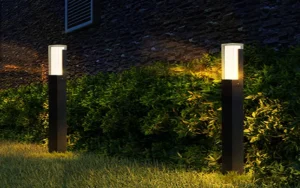
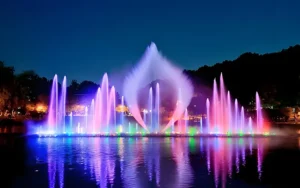
Exteriors: Pathway lights, spotlights on architectural features, and tree uplights create a stunning first impression and ensure guest security at entrances.
Types of Lighting Used in Hotel Design
Effective hotel lighting design relies on layering different types of lighting to achieve both functionality and ambiance.
Ambient lighting:
This is the general illumination of a space. It provides overall visibility and sets the base level of brightness. Examples include ceiling lights, recessed fixtures, and large pendants.
Task lighting:
Focused lighting designed for specific activities such as reading, working, or grooming. Desk lamps, bedside lights, and vanity lights fall into this category.
Accent lighting:
Used to highlight features like artwork, architectural details, or decorative elements. It adds depth and visual interest to a space.
Decorative lighting:
Fixtures that serve as design statements, such as chandeliers or designer pendants. These contribute to the aesthetic and brand identity.
Natural lighting:
Daylight is a valuable component of hotel design. Large windows, skylights, and thoughtful orientation can enhance guest comfort and reduce energy consumption.
Combining these lighting types allows designers to create flexible and dynamic environments that adapt to different needs and times of day.
Smart/Intelligent Lighting:
Modern systems allow guests to control brightness and color via mobile apps or voice assistants and can even synchronise with curtains to manage natural light.
Hotel Lighting Design and Guest Sleep Quality
Lighting plays a crucial role in the guest’s circadian rhythm and transition to rest. Modern hospitality design focuses on:
Natural Transitions: Intelligent systems can simulate sunrise and sunset, allowing guests to be “awakened by natural light” rather than harsh, dazzling bulbs.
Color Temperature Control: Using warmer temperatures in hallways and rooms encourages a transition from daily stress to relaxation.
Customization: Dimmable bedside lamps and integrated headboard lights with adjustable brightness allow guests to personalize their environment for optimal comfort.
Common Hotel Lighting Mistakes to Avoid
To maintain a high-end feel and ensure guest comfort, hotel operators should avoid these common pitfalls:
Harsh Glares: Overhead lighting should be soft and ambient; harsh glares in lobbies or rooms can be uncomfortable and uninviting.
Visible Sources: A common modern goal is to “see the glow, not the source”. Failing to hide light strips or bulbs in troughs can make a space feel messy rather than clean and high-end.
Static Lighting: Relying on “one large light” for an entire room is outdated. Lack of dimmable or adjustable options prevents the space from adapting to different times of day or guest needs.
Poor Color Rendering: Using bulbs with low can make spaces look dull; a CRI of 90 or higher is recommended for areas where color authenticity is vital.
Conclusion
Effective hospitality lighting is much more than a utility; it is a strategic tool for guest satisfaction and brand differentiation. By integrating advanced LED technology and intelligent control systems, hotels can reduce maintenance costs while significantly enhancing the visual and emotional appeal of their property. Whether through a complete redesign or a thoughtful retrofit of existing fixtures, the right lighting strategy ensures that guests feel safe, comfortable, and inspired to return.
Looking to elevate your hotel lighting design? Contact us today to explore customized LED lighting solutions tailored to your project needs.