A dancing water fountain is one of the most visually impressive features you can add to a landscape, commercial plaza, hotel, or entertainment space. More than just a water feature, it’s a seamless blend of art and technology, turning public plazas, resorts, shopping malls, and even private venues into captivating destinations that draw crowds and create lasting memories.
What Exactly Is a Dancing Fountain?
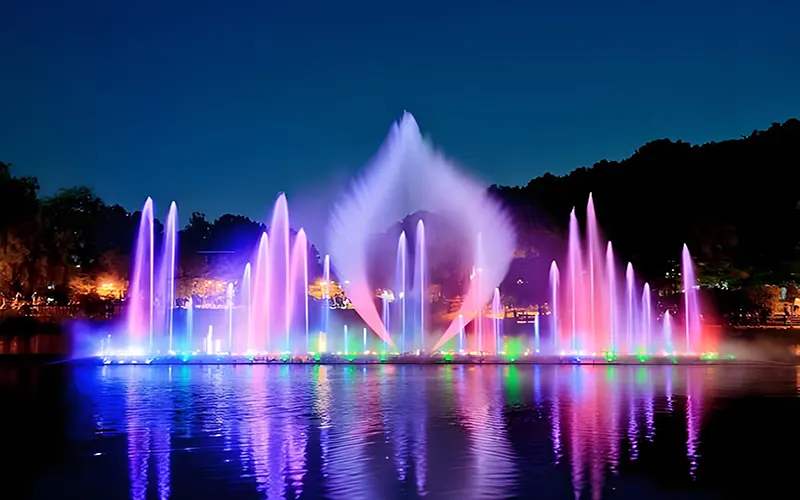
Simply put, a dancing fountain is a dynamic water show where jets move in synchronisation with music and lighting. Unlike traditional stationary fountains, these systems are programmable and designed to deliver a theatrical experience. By bringing sound, water, and light together into one cohesive performance, they serve as a powerful tool for turning ordinary spaces into landmarks.
What Makes Up a Dancing Fountain?
Here’s a breakdown of the essentials:
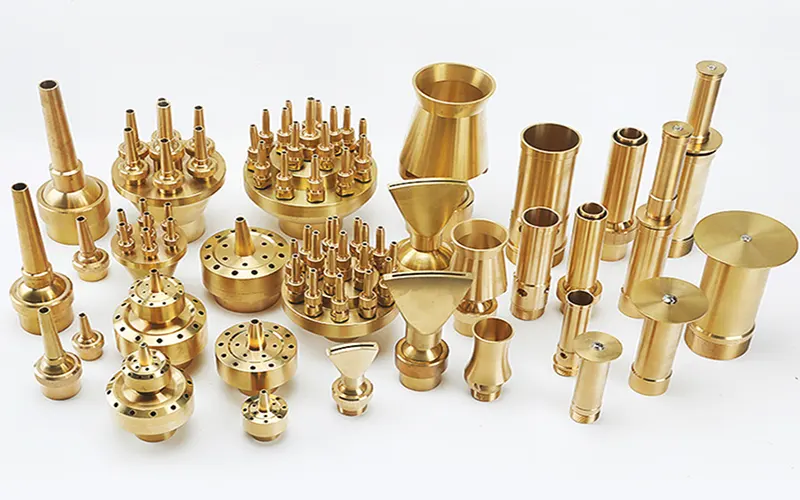
Nozzles
Crafted from corrosion-resistant materials like stainless steel or high-grade brass, they control spray patterns, heights, and styles to create variety. Common types include straight jet nozzles (ideal for tall, dramatic water columns), foam nozzles (producing thick, visible jets perfect for daytime shows), fan nozzles (creating wide, curtain-like arcs), and rotating/moving nozzles (adding swirling, choreographed motion). By mixing these nozzle types, you can design complex water choreography that aligns with music and lighting.
Pumps
Without pumps, there’s no movement—they’re the heart of the fountain. Professional dancing fountains use programmable, frequency-controlled pumps (via Variable Frequency Drives, or VFDs) that allow instant adjustments to water height and pressure. This means jets can rise, fall, or pulse exactly on beat with music—for example, in resort installations, pumps with dynamic flow control make water “jump” in sync with fast-paced electronic tracks by adjusting pressure in milliseconds.
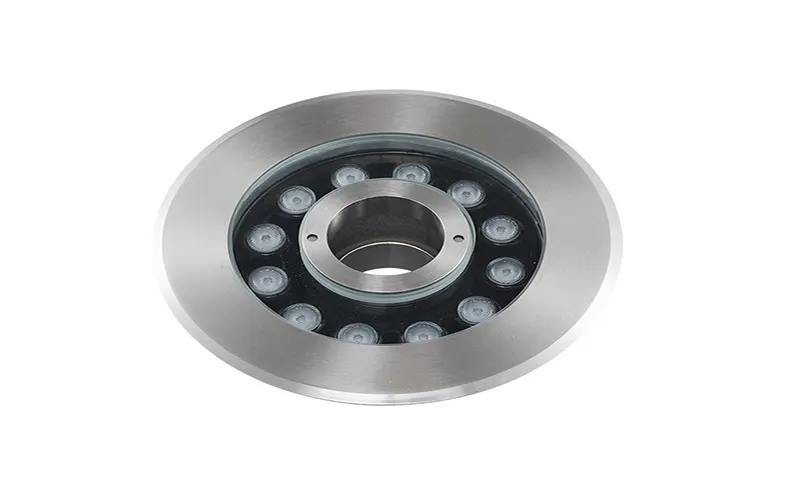
Lighting System
Professional setups use DMX-controlled lighting, which allows instant color and effect changes to add drama and emotion. Lighting layouts are tailored to water patterns: narrow jets pair with underwater spotlights for sharp highlights, while wide fan effects shine with wall washers.
Control System
The brain behind the performance, a smart control cabinet connects pumps, nozzles, and lights, where software maps out every cue of the show. With DMX integration, it manages thousands of commands in sync—running multiple daily shows with different music tracks with minimal operator input. Built-in redundancy and safety protocols ensure the system automatically shuts down or reroutes power if a pump overheats or a light fails, keeping performances consistent.
Basin & Structure
More than just a water tank, the basin is the fountain’s stage. It houses pumps, piping, and lights while ensuring safe water circulation, minimizing splash loss (critical for outdoor spaces), and facilitating maintenance. Key considerations include depth (shallow for dry-deck plazas, deep for large jets), water treatment (filtration and chemical balance for clarity and safety), and maintenance access (designs that let technicians service equipment without draining the entire system).
How Does a Dancing Fountain Actually Work?
The process begins behind the scenes with specialised software where every water jet, light beam, and music note is mapped out into a program. When the show starts, the control system sends precise instructions to the hardware:
- Programmable pumps raise or lower water jets in perfect time with the musical rhythm.
- DMX lighting shifts colors and intensities to highlight specific beats.
- The synchronisation setup ensures the interaction between sound and light feels like one fluid performance.
Step-by-Step Guide to Building a Dancing Water Fountain
Professional manufacturers follow a rigorous process to deliver these complex projects:
- Consultation & Concept Design: Define the vision, location, and budget while creating 3D models and simulations.
- Engineering & Planning: Calculate pump capacity, water pressure, and electrical requirements.
- Component Selection: Choose high-grade materials, such as stainless steel or brass nozzles, to resist corrosion.
- Production & Manufacturing: Build and test equipment, tailoring solutions to the specific site.
- Installation & Commissioning: Technicians integrate the wiring and fine-tune the system.
- Programming the Show: Choreographers set the water and lights to specific music tracks.
- Maintenance: Long-term support includes water treatment, cleaning, and software updates.
Choosing the Right LED Lighting for Fountain Effects
Water is impressive alone, but lighting brings it to life. For a professional setup, DMX-controlled lighting is essential for instant color changes and emotional impact. The choice of fixture depends on the water pattern:
Underwater Spotlights: Best for narrow jet nozzles to create sharp highlights.
Wall Washers: Ideal for wide fan effects to provide even coverage.
Programmable Integration: Lights should be synced with the pumps so every splash is highlighted at the exact right moment.
Syncing Water Movement with Music and Lighting
Choreography is achieved by analyzing music waveforms and mapping movements using software. This allows for varied emotional experiences:
- Slow Sequences: Might trigger smooth, sweeping arcs with soft blue lighting.
- Drum-Heavy Sections: Can trigger rapid-fire jets and intense strobe effects.
The control cabinet handles thousands of cues in perfect sync. Advanced systems even include safety protocols, automatically shutting down or rerouting power if a pump overheats, ensuring the show goes on safely in public spaces.
Conclusion
Creating a professional dancing fountain is a sophisticated blend of engineering, creativity, and technology. From selecting corrosion-resistant nozzles and frequency-controlled pumps to programming intricate DMX lighting cues, every detail matters in delivering a world-class attraction.
We are a professional underwater lighting manufacturer. Get a quote now and start designing your water feature project.
FAQs
Can I build a dancing fountain for a home garden?
Yes, but on a much smaller scale. Home versions typically use low-voltage pumps, simple nozzle layouts, and basic LED lighting systems. Full music synchronisation is possible, but most home setups focus on water + lighting effects rather than complex choreography.
What type of pump is best for a dancing fountain?
Submersible pumps are commonly used for small to medium fountains due to their simplicity and quiet operation. For large installations, external centrifugal pumps are preferred because they offer higher pressure, better durability, and easier maintenance.
How is music synchronized with water movement?
Music synchronization is achieved through control systems like DMX or PLC. These systems analyze or follow a programmed timeline of the music’s rhythm (BPM), then trigger pumps, valves, and lights accordingly to match beats and transitions.
What type of lighting is best for outdoor fountain applications?
The best choice is IP68-rated LED fountain lights. These are fully waterproof, energy-efficient, and capable of producing vibrant colors. RGB or RGBW LED lights are ideal for dancing fountains because they allow dynamic color changes and synchronization with music.
Can outdoor fountain lights be installed underwater?
Yes, most professional fountain lights are designed for full submersion. Underwater installation is actually preferred because it highlights the water from below, creating glowing jets and enhancing movement visibility. Proper sealing and waterproof connectors are essential for safety.