Imagine sitting at your desk, trying to focus on a critical report, but a harsh, stinging brightness from the overhead light keeps reflecting off your monitor. Your eyes feel dry, a headache begins to form behind your temples, and your productivity plummets. This is not just an annoyance; it is a classic case of poor lighting design causing glare.
In modern environments, whether in offices, schools, or homes, lighting is often installed with brightness in mind, neglecting the quality of that light. The result is glare lighting, a phenomenon that compromises visual comfort and health.
In this guide, we’ll explore what anti-glare light means and share practical strategies on how to reduce glare and create a more comfortable environment.
Table of Contents
What is Glare in Lighting?
At its simplest, glare is a visual sensation caused by excessive and uncontrolled brightness. It occurs when one part of your visual field is significantly brighter than the rest, or when light reflects off a surface directly into your eyes.
There are two primary types of glare you need to recognize:
Direct Glare: This happens when a bright light source, such as an exposed LED bulb or an unshielded fixture, shines directly into your line of sight. It is the immediate “sting” you feel when looking up at a ceiling light.
Reflected Glare (Veiling Reflection): This is often more subtle but equally damaging. It occurs when light bounces off shiny surfaces like computer screens, glossy desks, or whiteboards, creating a mirror-like effect that obscures the content you are trying to view.
Understanding the difference is crucial because the methods to reduce glare in lighting vary depending on which type you are facing. Direct glare requires shielding the source, while reflected glare often demands changing the angle of incidence or the surface finish of the workspace.
Why It Hurts Your Eyes
Glare affects your eyes because it forces them to constantly adjust to extreme brightness levels. When your eyes are exposed to intense light, your pupils contract, and your visual system struggles to maintain clarity.
The consequences extend beyond momentary discomfort. Prolonged exposure to unmanaged glare can lead to:
- Chronic Headaches and Migraines: The continuous strain on ocular muscles often triggers tension headaches.
- Dry Eye Syndrome: People tend to blink less frequently when struggling to see through glare, leading to dryness and irritation.
- Reduced Cognitive Performance: Studies have shown that visual discomfort significantly lowers concentration levels, increases error rates, and slows down task completion.
- Long-term Vision Issues: While glare itself may not cause permanent blindness, the chronic stress it places on the visual system can exacerbate existing conditions and accelerate age-related vision decline.
In essence, ignoring glare is ignoring occupational health. Creating an environment free from harsh brightness is not a luxury; it is a necessity for maintaining long-term well-being and productivity.
What is Anti-glare Lighting and How Does It Work?
Anti-glare lighting is specifically designed to minimize the direct “punch” of a light source. Unlike standard bulbs that emit light in all directions, anti-glare fixtures use specialized optics to control the beam.
Key features of anti-glare lighting include:
- Diffusion: Anti-glare fixtures use specialized diffusers—often made of micro-prismatic acrylic or opal polycarbonate—to scatter light rays in multiple directions. This breaks up the concentrated beam of light, softening its edge and reducing intensity.
- Shielding: Many fixtures incorporate louvers or deep recesses that physically block the line of sight to the actual LED chip. You see the illuminated surface of the fixture, not the blinding source behind it.
- Low UGR Ratings: The industry standard for measuring glare is the Unified Glare Rating (UGR). A lower number indicates less glare. True anti glare LED lighting typically boasts a UGR of less than 19 (the standard for offices) or even less than 16 for high-precision tasks.
By controlling the angle and spread of light, these systems ensure that illumination is uniform and gentle, eliminating the sharp contrasts that cause eye fatigue.
5 Proven Ways to Reduce Glare in Lighting
If you’re wondering how to reduce glare, here are five proven methods that can dramatically improve your lighting setup:
1. Add Diffusers or Covers
Diffusers are one of the simplest and most effective ways to soften light. They spread light evenly and reduce intensity, making it less harsh on the eyes.
Options include:
Frosted covers for LED strips
Acrylic panels
Fabric lampshades
This method is ideal for both residential and commercial lighting.
2. Switch to Indirect Lighting Fixtures
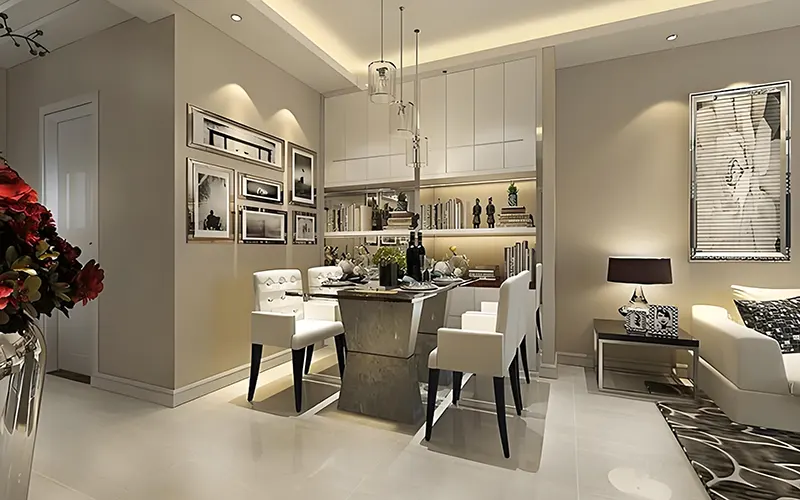
Indirect lighting reflects light off surfaces like ceilings or walls before it reaches your eyes. This eliminates direct exposure to bright light sources.
Examples:
Cove lighting
Wall washers
Recessed fixtures
Indirect lighting creates a softer, more ambient atmosphere and helps significantly reduce glare in lighting.
3. Optimize Lamp Placement and Angles
Improper positioning is a major cause of glare. Lights placed directly in your line of sight or reflecting off screens can be problematic.
Best practices:
Avoid placing lights directly above screens
Use adjustable fixtures
Angle lights away from reflective surfaces
Small adjustments can make a big difference in visual comfort.
4. Opt for Dimmable Solutions
Dimmable lighting allows you to control brightness levels based on your needs and environment.
Benefits:
Reduces excessive brightness
Adapts to different times of day
Enhances comfort and flexibility
Pairing dimmers with LED lights is an effective way to manage glare dynamically.
5. Use Anti Glare Lighting Fixtures
Modern anti-glare fixtures are specifically engineered to minimize glare.
Features to look for:
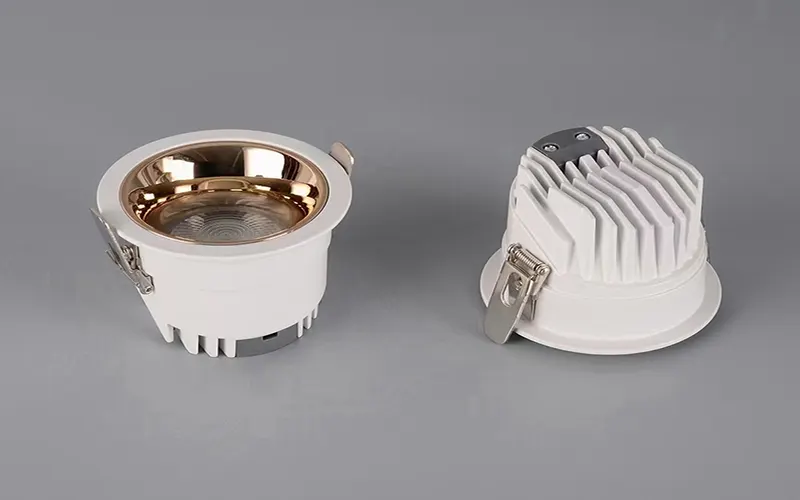
Deep recessed designs
Honeycomb or louvered grids
Low UGR ratings (UGR < 19 for offices)
These fixtures are essential for professional environments where visual comfort is critical.
How to Reduce Glare in Existing Workspaces Without Renovation
If you are in a rented office or home, try these “quick fixes”:
Adjust Monitor Tilt: Tilting your screen slightly downward can prevent overhead lights from reflecting off the glass.
Use Matte Screen Protectors: These turn a “mirror-like” screen into a diffused surface.
Reposition your Desk: If possible, orient your desk perpendicular to windows. Never face a window directly, and never have your back to one (as this creates reflections on your screen).
Control Natural Light: Install blinds, shades, or curtains. Adjustable window treatments allow you to block harsh direct sunlight while still permitting soft, ambient daylight.
Common Mistakes That Cause Glare
Many glare issues come from avoidable mistakes. Identifying these can help you prevent problems before they start.
Common errors include:
- Using bare LED bulbs without covers
- Choosing high-lumen lights for small spaces
- Ignoring beam angles
- Placing lights at eye level
- Overlooking surface reflections (glass, polished floors)
Avoiding these mistakes is key to maintaining a comfortable lighting environment.
Choosing the Right Anti-glare LED Lighting for Your Space
Selecting the right anti-glare lighting depends on your specific application. Different spaces require different approaches.
Here’s a quick guide:
For offices:
- Choose UGR < 19 fixtures
- Use panel lights with diffusers
- Combine with indirect lighting
For homes:
- Opt for warm, diffused LED lights
- Use lampshades and indirect sources
- Install dimmers for flexibility
For retail or commercial spaces:
- Use anti-glare spotlights
- Avoid harsh directional lighting
- Focus on balanced illumination
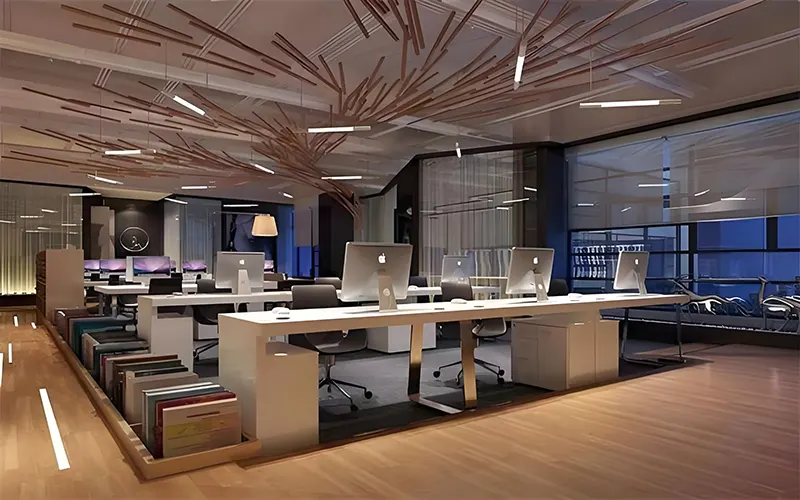
When choosing anti glare LED lighting, always consider brightness, beam angle, and fixture design.
Conclusion
Lighting is more than just a utility—it plays a vital role in your daily comfort, health, and productivity. Poor lighting conditions, especially glare, can lead to eye strain, headaches, and reduced work efficiency. The good news is that with the right knowledge and solutions, lighting glare can be effectively controlled and minimized.
Whether you’re planning a complete lighting upgrade or simply applying practical fixes to reduce glare in your current space, the improvements can be both immediate and long-lasting. The goal isn’t just better visibility—it’s creating a comfortable, glare-free environment that supports how you live and work.
If you’re looking for professional anti-glare lighting solutions or need help selecting the right LED products for your project, feel free to contact us. Our team is ready to provide expert guidance and customized solutions tailored to your needs.
FAQs
What is UGR and why is it important?
UGR (Unified Glare Rating) is a standard measurement used to evaluate glare levels from lighting fixtures.
Lower UGR values mean less glare
UGR < 19 is recommended for offices
UGR < 22 is acceptable for general indoor spaces
Are LED lights more prone to glare?
LED lights themselves are not inherently problematic, but they can produce glare if:
They are too bright
They lack proper diffusers
They are poorly positioned
Can glare affect productivity?
Yes, glare can significantly impact productivity. It causes eye strain, reduces focus, and may lead to headaches. In work environments, reducing glare helps improve concentration and overall performance.
Can I reduce glare in lighting without replacing my existing fixtures?
Yes! If you want to know how to reduce glare on a budget, you can add clip-on diffusers, install dimmer switches to control intensity, or simply use “matte” finish bulbs instead of clear ones.
Does anti-glare lighting reduce the total light in a room?
Not necessarily. While anti-glare lighting controls the direction of light to prevent it from shining into your eyes, it doesn’t always reduce the lumens (total light output). Instead, it ensures the light is focused on your task area—like a desk or countertop—rather than scattering uselessly and uncomfortably across your field of vision.
What is the difference between glare and brightness?
Brightness is the total amount of light emitted from a source or reflected from a surface. Glare, however, is visual discomfort caused by excessive contrast or poorly directed brightness. You can have a very bright room that is comfortable (low glare) or a dim room with one exposed bulb that causes significant eye strain (high glare).