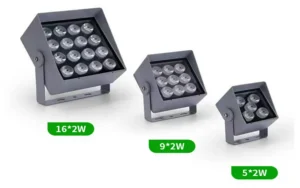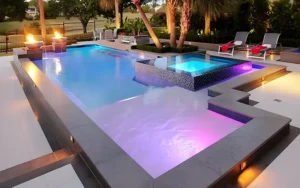
Garden lighting not only enhances nighttime aesthetics but also improves safety and functionality. When comparing LED Underground Light vs Spike Light, many homeowners and landscape designers find that these two options are among the most popular outdoor lighting choices. However, they differ in design, purpose, and suitable applications.
This article will detail the characteristics and differences between LED Underground Light vs Spike Light, helping you choose the best option for your garden lighting needs.
What is LED Underground Lighting?
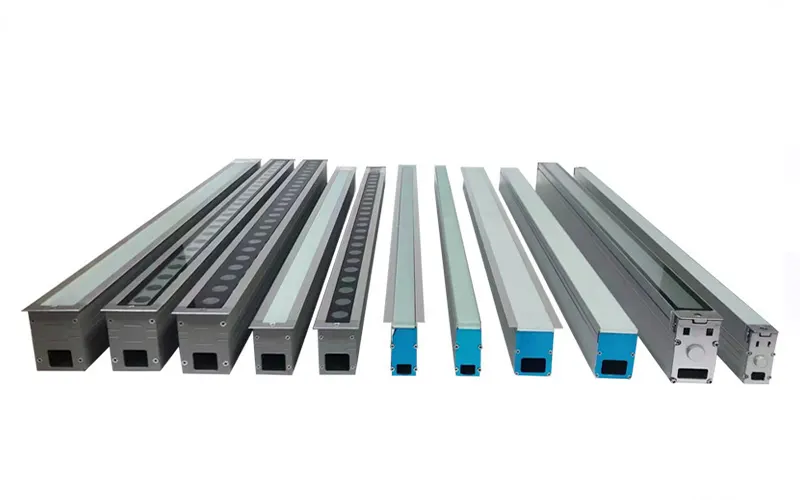
LED underground lights (also known as recessed ground lights) are low-profile lighting fixtures installed in the ground or steps, commonly used for pathway lighting, garden decoration, or architectural outline illumination.
Main Features:
Discreet design: Flush with the ground, maintaining overall aesthetics.
Even illumination: Suitable for areas requiring soft, widespread lighting, such as walkways and patios.
Waterproof and dustproof: IP67 or higher rating, suitable for harsh outdoor weather conditions.
Energy-efficient and durable: LED light sources have a long lifespan and low power consumption.
Applicable scenarios: Garden paths, driveways, patio edges, and stair treads.
What is an LED Spike Light?
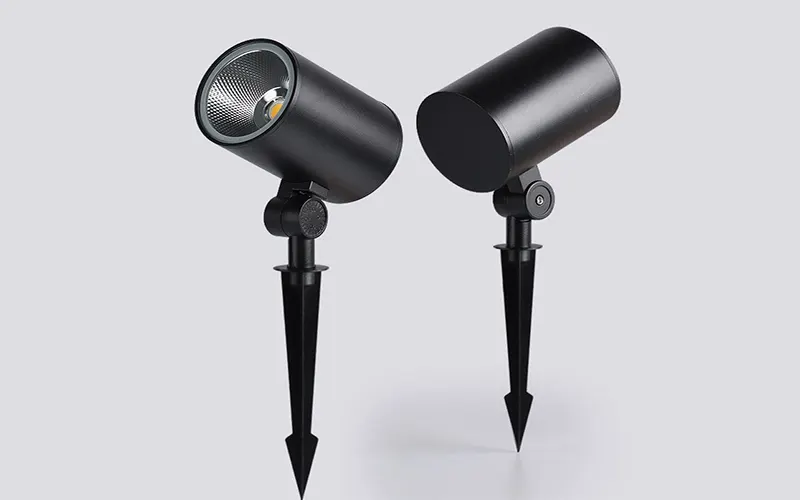
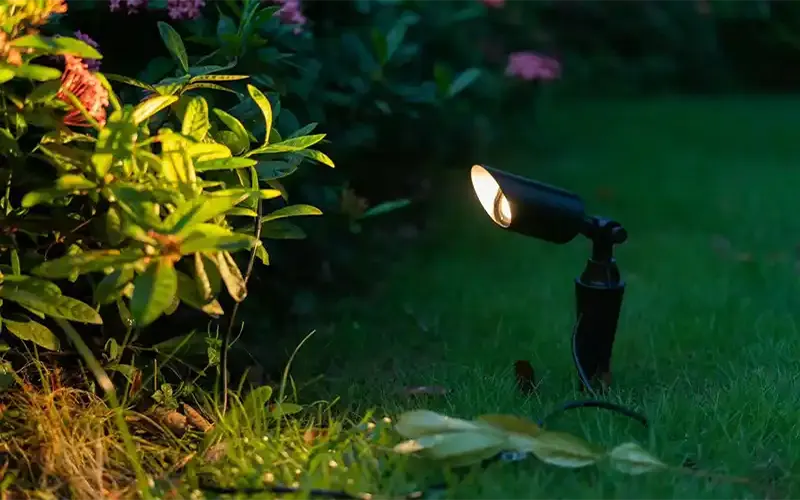
An LED spike light (also known as a spotlight or landscape spotlight) is a directional lighting fixture that protrudes from the ground, usually with an adjustable angle, used to focus light on trees, sculptures, or building facades.
Main Features:
Strong focus: Concentrated light beam, suitable for accent lighting.
Adjustable angle: Flexible adjustment of the lighting direction to suit different landscape needs.
Highly decorative: Available in modern or vintage styles, enhancing garden design.
Flexible installation: Can be fixed to the ground, wall, or column.
Applicable scenarios: tree lighting, flower bed accent lighting, wall decoration, and entrance welcoming lighting.
5 key differences between LED underground lights vs. spike lights
| Éléments de comparaison | LED Underground | LED Spike Light |
| Installation method | Embedded requires pre-installation. | Ground/wall-mounted installation, no trenching required. |
| Lighting effects | Diffuse reflection, resulting in soft and even light. | Focusing the light emphasizes specific parts of the landscape. |
| Aesthetics | Low-key and discreet | Emphasize decorative elements. |
| Applicable terrain | Flat ground, steps | Lawns, flower beds, walls |
| Maintenance difficulty | Cleaning is a bit troublesome (requires protection against dust and water). | Easier to clean and adjust. |
How to choose the best lighting fixtures for your garden?
When selecting suitable LED lighting fixtures for your garden, both functionality and aesthetics are equally important. Different lighting designs are suitable for different scenarios and needs.
When should you choose LED underground lights?
Safety Lighting Requirements
If your primary goal is to ensure safe passage at night, especially in areas such as garden paths, stairs, or slopes, in-ground lights are the best option. They provide even ground illumination, reducing the risk of missteps or falls.
Because the light diffuses upwards, it avoids creating harsh glare, making them suitable for installation in high-traffic areas.
Seeking a minimalist, discreet lighting effect
In-ground lights are installed flush with the ground, maintaining a seamless look and not disrupting the overall design style of the garden.
If you want to preserve the clean and modern aesthetic of your garden and don’t want the light fixtures themselves to become a visual focal point, the understated nature of in-ground lights is ideal.
Ground conditions are suitable for installation
In-ground lights require pre-installation; therefore, they are suitable for hardened surfaces (such as flagstone paths and concrete) or soil areas that have been specially reinforced.
If your garden ground is soft or prone to waterlogging, additional waterproofing and reinforcement may be required.
When should you choose LED spike lights?
The focus should be on highlighting landscape elements
The spotlighting characteristics of LED Spike Lights make them ideal for illuminating sculptures, distinctive trees, flower beds, or building facades.
By adjusting the beam angle, you can precisely control the direction of the light, creating dramatic lighting effects.
Decorative Lighting
Spire-shaped lamps themselves are stylishly designed; both modern and vintage styles can add a touch of elegance to your garden.
They are suitable for welcoming guests at the entrance or as a visual focal point in the garden, enhancing the overall ambiance.
The lighting direction needs to be adjusted flexibly
Spike lights can usually rotate 360 degrees, allowing you to easily reposition the light according to seasonal changes or landscape adjustments.
If you like to change your garden layout regularly, spike lights are more adaptable than fixed in-ground lights.
Installation and Maintenance Precautions
Waterproof Rating: For all types of luminaires, it is recommended to choose an IP65 or higher protection rating to withstand rain and snow.
Power Wiring: Special attention should be paid to waterproofing and aging resistance of underground wiring for in-ground lights; spike lights can use surface wiring for greater flexibility.
Light Source Angle Adjustment: Some in-ground lights support rotation or adjustable beam angles; it is recommended to position and test the light before installation. Spike lights usually have adjustable heads, making it easy to illuminate different areas.
Material Selection: It is recommended to choose stainless steel, aluminum alloy, or high-strength plastic materials to extend the service life of the luminaires.
Conclusion: Which type of light is best for your garden?
If your garden prioritizes safety and a minimalist style, LED underground lights are the ideal choice.
If you want to highlight landscape features and enhance the decorative aspect, LED spike lights are more suitable.
Contact us for professional garden lighting design solutions, or browse our range of LED lighting fixtures to find the perfect outdoor lighting for you!
FAQ
Are LED underground lights safe? Will they be damaged if someone steps on them at night?
Yes, LED underground lights are specifically designed for outdoor environments. Their casings are usually made of stainless steel or tempered glass, providing excellent resistance to pressure and preventing damage from being stepped on.
Will LED spike lights detract from the beauty of the garden?
No, on the contrary, they can enhance the garden’s aesthetics. Modern LED spike lights come in various design styles, such as vintage, minimalist, and European, and not only provide illumination but also serve as decorative elements, enhancing the garden’s nighttime scenery.
Are LED underground lights suitable for areas with heavy rainfall?
Yes. As long as you choose underground lights with an IP67 or higher protection rating and ensure proper waterproof wiring, they will work reliably even in rainy areas and are less likely to experience water ingress or short circuits.
How to determine which type of lighting is best suited for a small garden?
For small gardens, if you prefer a simple, space-saving design, LED underground lights are recommended; if you want the light fixtures themselves to be decorative, you can choose smaller, pointed-top lamps.
Are LED spike lights easily blown over by the wind?
High-quality spike lights usually come with ground stakes or base fixing structures, making them resistant to being blown over by the wind.