In swimming pool lighting, safety is a major concern for customers. Poor quality or improperly installed pool lights can lead to electric shock, short circuits, and even fires.
This article will provide an in-depth analysis of the potential risks of LED swimming pool lights, guide you on how to choose safe and reliable products, and answer common questions about waterproofing, materials, and other related issues.
Table of Contents
Are LED pool lights safe? What are the potential risks?
LED pool lights are generally safe lighting products, usually with an IP68 protection rating. However, if selected or installed improperly, the following risks may still arise:
Risk of Electric Leakage
Electric leakage is one of the most serious safety issues in pool lighting. If the LED driver is exposed to water, or if the cable and connector seals are not properly handled, water entering the circuit can cause electric leakage.
Although low-voltage LEDs themselves have low voltage, some pool projects use AC230V control systems or high-voltage transformers. If electric leakage occurs, it can lead to electric shock or equipment damage. This is especially dangerous in humid environments, with bare feet, and in water with high conductivity, where even minor leakage can be hazardous.
Prevention suggestions:
- Use switchgear with leakage protection
- Ensure waterproof heat shrink tubing and sealant are used at the connectors
- All wiring must be inspected and installed by a professional electrician
Short Circuit or Electric Shock
Water ingress into the light fixture is one of the most common failures of pool lights. If the light fixture uses low-quality sealant or has poorly treated interfaces, water seeping inside will directly corrode the LED driver chip, capacitors, resistors, and other components, causing a short circuit or even a rebound in the electrical circuit.
This situation is common in:
- Light fixtures with small cracks due to aging
- Plastic casings becoming brittle after prolonged exposure to sunlight
- Connectors and cable interfaces without waterproof treatment
The consequences are not only that the light doesn’t work, but it may also burn out the controller or cause other circuits to trip.
Lamp Body Cracking or Detachment
Swimming pool lights are subjected to external forces such as water pressure, water flow, and impacts from swimmers over extended periods. If the lamp housing uses inferior plastic or non-corrosion-resistant metal, it is highly susceptible to blistering, cracking, or deformation after a period of use.
Furthermore, if waterproof screws or brackets are not used during installation, the lamp body may loosen or detach due to water flow impact, creating dangerous debris and potentially contaminating the pool water.
Special reminder: Buried or recessed light fixtures require even greater attention to structural strength and screw tightness; otherwise, they will become safety hazards.
Control System Malfunction
Most swimming pool lights use RGB or RGBW color-changing systems, requiring connection to intelligent control systems such as DMX512 controllers, remote controls, and Bluetooth modules. However, if these systems are incorrectly wired, poorly grounded, or lack opto-isolation, they are highly susceptible to signal interference and voltage fluctuations, leading to:
- Uncontrolled lighting, frequent flickering, or malfunction
- Burnout of the controller’s internal circuitry
- Conflicts with other low-voltage equipment causing overall power outages
Protective measures: Ensure the control system has independent grounding, is kept away from high-voltage areas, and that the system protocol and address allocation are configured by a professional.
Cable Damage
Many users overlook the importance of the cables. Pool lights typically operate outdoors or in humid environments for many years. If the cables used are not corrosion-resistant, UV-resistant, and tear-resistant, they will crack, corrode, and expose the metal conductors over time.
Furthermore, if the cable connections are not protected against pulling or waterproofed, daily use and water pressure fluctuations can cause loose connections, leading to poor contact or momentary short circuits.
Recommended solutions:
- Use specialized waterproof rubber-sheathed cables.
- All wiring connections must have double protection with heat shrink tubing and sealant.
- Cable routing should be away from swimming lanes and activity areas to avoid accidental damage.
How to Choose Safe LED Pool Lights?
The safety of LED pool lights depends on several key factors, including voltage design, waterproof performance, material selection, and installation method. The following are detailed safety considerations to help you avoid potential risks and choose truly reliable pool lighting products.
Voltage Level
It is recommended to prioritize low-voltage DC systems (12V or 24V) for LED pool lights, rather than traditional 230V AC systems. Low-voltage power supply is safer for underwater use, significantly reducing the risk of electric shock even in case of malfunction.
In addition, you should confirm:
The use of an isolated waterproof transformer to ensure complete isolation between the input (AC mains power) and the output (low-voltage LED system), preventing induced current or leakage current;
The driver power supply should have short-circuit protection, overvoltage protection, and over-temperature protection to enhance operational stability.
Safety Certification
High-quality pool lights should meet professional international/regional certification standards. These certifications are not only a symbol of product quality but also an effective guarantee of user safety.
The following certification labels should be considered:
- UL676: American standard, specifically designed for “underwater lighting fixtures,” covering electrical safety, waterproof sealing, and structural strength;
- IEC 60598-2-18: International safety standard for lighting fixtures, setting test requirements for fixed underwater luminaires;
- CE / RoHS: European market compliance certification, especially RoHS, which ensures that the lamps do not contain harmful substances, making them environmentally friendly and non-toxic.
Protection Rating
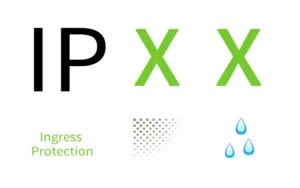
Swimming pool lights operate in a typical “high humidity + long-term submersion” environment; therefore, their protection rating must reach IP68, meaning “completely dustproof + continuously submersible in water.”
However, different usage scenarios may require additional protection capabilities:
Saltwater pools or seawater landscapes: The luminaires not only need IP68 but should also have anti-corrosion treatment, such as anodizing, titanium coating, or chlorine-resistant certification.
Fountains or water curtain pools: Under high water pressure impact, IP68 + thickened glass casing is more stable.
Material Requirements
In underwater environments, lighting fixtures must withstand the long-term effects of water pressure, chlorine, ultraviolet radiation, and temperature fluctuations. Therefore, the selection of materials must be professional and reliable.
Recommended materials include:
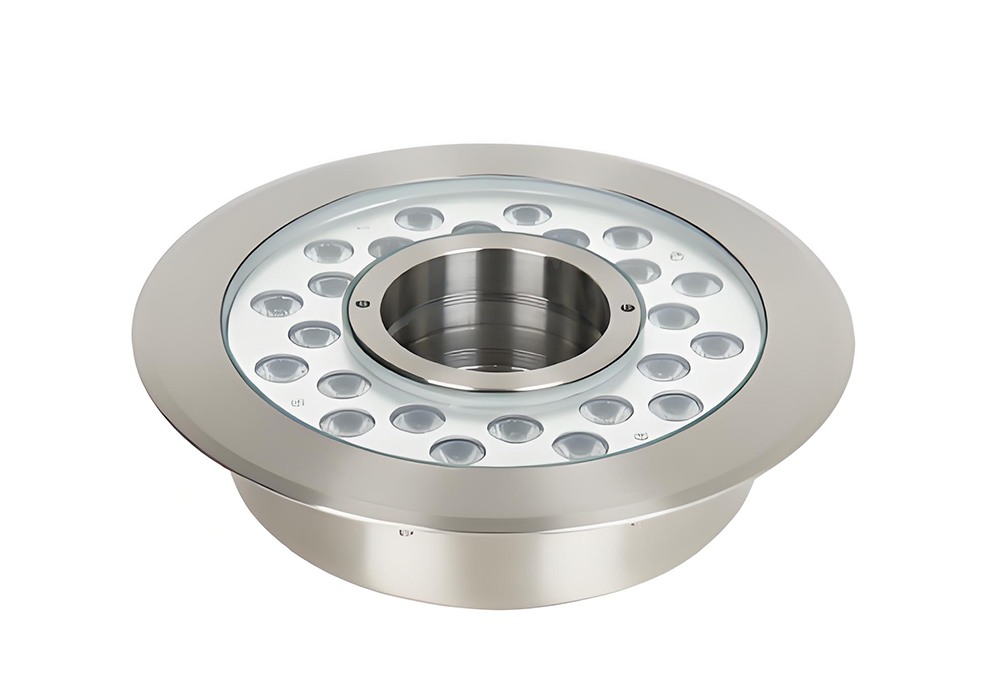
Lamp body casing: Preferably 316 stainless steel (also known as marine-grade stainless steel), which has excellent rust and corrosion resistance, or marine-grade high-strength engineering plastics (such as PC, ABS alloy);
Sealing rings and sealing materials: High-elastic silicone is recommended, which has good chlorine resistance and heat aging resistance and will not deform or leak water during long-term use.
Materials to avoid: Avoid using 304 stainless steel or ordinary plastic lamp bodies, as they are prone to rusting or becoming brittle and cracking in swimming pool environments.
Installation Methods
Pool lights must not only be durable but also maintain structural stability after installation, preventing detachment or water leakage due to water pressure or accidental impact.
Recommended installation methods:
Recessed installation: The light fixture is embedded in the pool wall or bottom, remaining flush with the surface, avoiding obstruction to swimmers and preventing scratches or tripping hazards;
Threaded locking + anti-slip rubber ring double fixing structure: Effectively prevents shaking, loosening, and displacement in the water;
Waterproof connector and wiring channel design: Facilitates future inspection and maintenance and complies with electrical safety regulations.
Note: If using suction cups or clip-on temporary installation methods, be sure to avoid using them in deep water areas or large swimming pools to prevent accidental detachment.
Is IP68 Really Sufficient?
IP68 is the protection rating commonly used for swimming pool lights and is considered the highest standard for underwater lighting.
However, IP68 only indicates that the product has passed the “long-term immersion in water” test, but the actual performance depends on the specific application environment:
Encapsulation process: IP68 does not mean it will never leak. If the manufacturer’s sealing process is poor, water leakage is still possible.
Cable outlet: Many light fixtures are waterproof in the main body, but the cable outlet lacks proper sealing, which is the biggest potential problem.
Water depth requirements: IP68 is generally suitable for water depths within 3 meters. For fountains or deep water areas, additional parameters need to be confirmed.
Long-term aging issues: Some materials (such as plastic sealing rings) are prone to aging in high temperatures or chlorinated water, reducing their sealing performance.
Conclusion: IP68 is a prerequisite, but the manufacturing process, materials, sealing structure, and brand reputation are even more important. It is recommended to choose a lighting brand with proven experience in swimming pool applications.
Summary
High-quality LED pool lights are not only about good lighting efficiency and attractive design, but more importantly, they utilize high-grade, corrosion-resistant, impact-resistant, and well-sealed materials. Choosing a combination of a 316L stainless steel housing and tempered glass ensures the long-term safe operation and stable performance of the pool lights from the very beginning.
Looking for the right LED lighting for your swimming pool? Browse our IP68 waterproof LED pool light series, which includes various specifications such as single-color, RGB, RGBW, and high-brightness models, and we also offer customized driver and control system solutions.
FAQs
Can LED pool lights be directly driven by 230V voltage?
It is not recommended. Most pool lights are designed for low-voltage systems of DC12V or 24V, and using 230V AC power increases the risk of electric leakage. If 220V must be used, it should be stepped down through an isolation transformer and installed by a professional.
What materials are suitable for light fixtures in saltwater swimming pools?
We recommend using pool lights with a 316L stainless steel housing and silicone seals, as they offer superior corrosion resistance. Ordinary stainless steel (such as 304) is prone to rusting in saltwater, reducing its lifespan and potentially compromising safety.
Which is safer: acrylic lenses or glass lenses?
Both have their advantages. Tempered glass is more resistant to pressure and suitable for deep water and high-pressure environments; while high-transparency acrylic is lightweight and flexible, making it suitable for shallow water areas or decorative purposes.
Can the light fixture crack due to water pressure? How to avoid this?
If the lamp material is of poor quality or the sealing is inadequate, prolonged water pressure or temperature changes can indeed lead to cracking. Choosing a lamp with a thick-walled stainless steel structure, high-quality potting compound sealing, and conforming to IP68 standards can greatly reduce this risk.
Do the cables for LED pool lights need to be embedded in the wall?
It is strongly recommended to embed them. All wiring should be routed through pre-installed conduits or PVC sheathing to avoid exposure in the pool or on the ground, which not only improves safety but also facilitates future maintenance and replacement.